February 12, 2026
Selecting the right dumpster rental company is a crucial step in effective waste management for any project, whether it’s a small home renovation or a large construction site. Dumpsters come in a variety of sizes, typically ranging from 10 to 40 cubic yards, each designed to handle different types and volumes of waste. Smaller dumpsters, such as 10-yard units, are ideal for minor projects like yard cleanups, small furniture disposal, or minor remodeling tasks. Medium-sized dumpsters, like 20-yard options, work well for moderate renovations or roof tear-offs, while larger 30- to 40-yard dumpsters are suited for construction sites, demolition, or extensive commercial projects. Beyond volume, the physical dimensions and placement requirements of each size must be considered to ensure proper fit and accessibility. Understanding the advantages and limitations of each dumpster size helps homeowners and project managers plan efficiently, avoid unnecessary costs, and maintain a smooth workflow from start to finish.
1. Understanding Different Dumpster Sizes
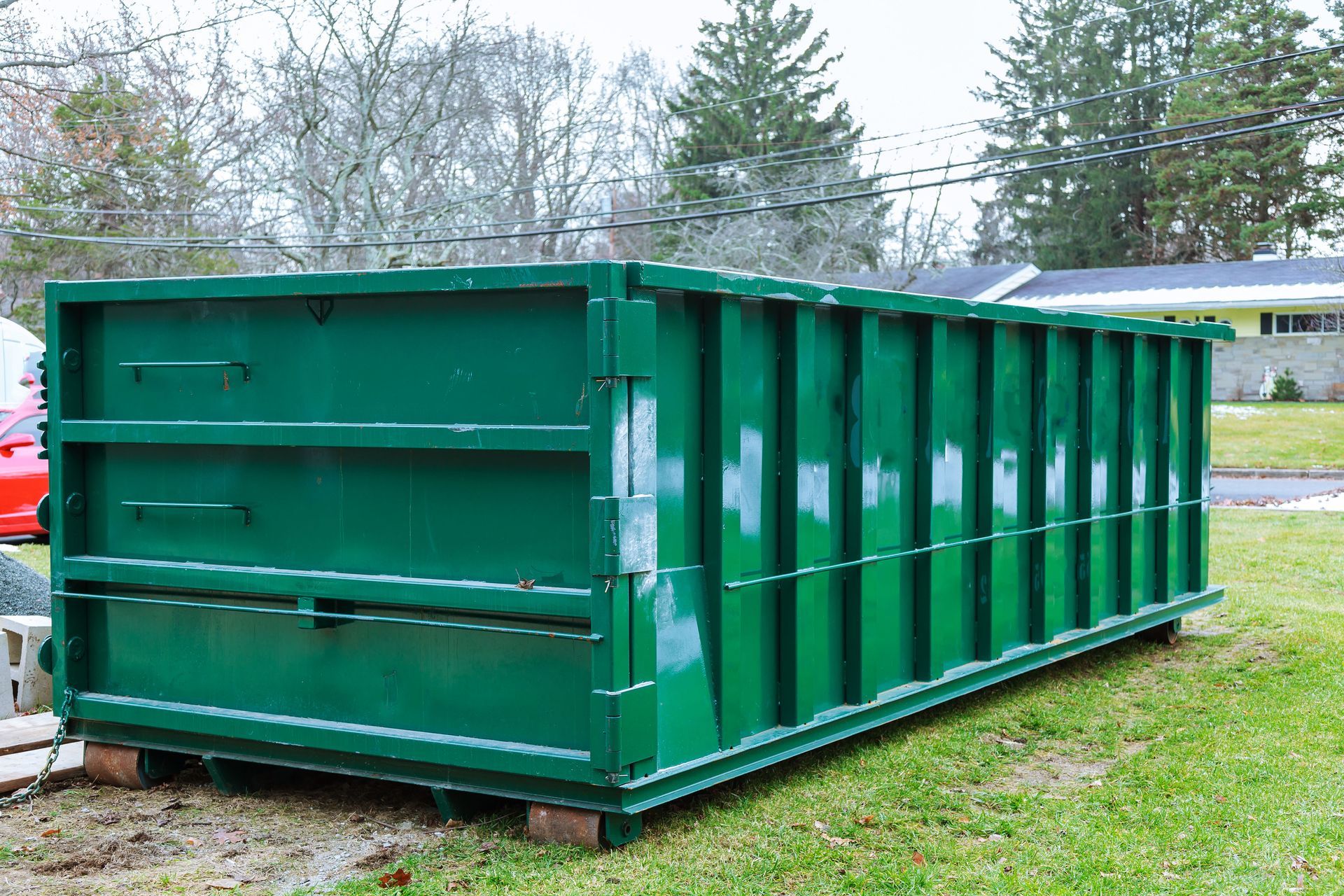
Dumpsters come in various sizes, ranging from small to large. Common sizes include 10, 20, 30, and 40 cubic yards. Each is suited for different types of projects, from minor residential cleanups to significant commercial renovations. Smaller dumpsters, like the 10-yard, are versatile for small home projects or landscaping tasks. Conversely, larger sizes, like the 30 and 40 cubic yards, are essential for heftier jobs such as construction and demolition project waste management.
The physical dimensions of dumpsters vary along with their volume capacities. A 10-cubic-yard dumpster typically measures 14 feet long, 8 feet wide, and 3.5 feet high. A 20-cubic-yard dumpster usually stands about 14 feet long, 8 feet wide, and 5 feet high. Larger dumpsters like the 30-cubic-yard and 40-cubic-yard can reach up to 22 feet in length. When selecting a dumpster, visualizing space requirements alongside the dimensions is important to ensure the correct fit for your space constraints.
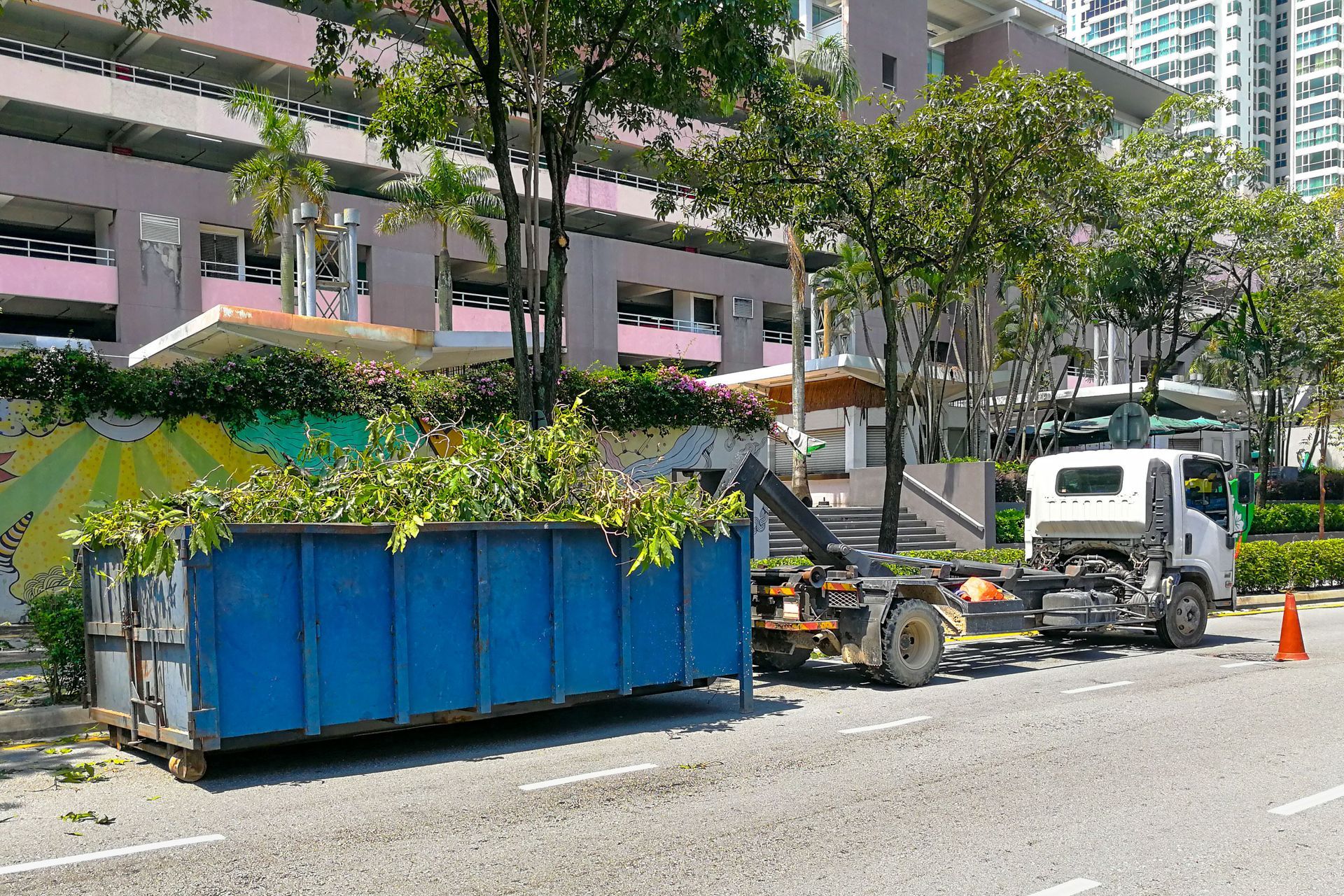
Different dumpster sizes are apt for handling varying types of waste. A 10-yard dumpster is excellent for small-scale debris like household junk, small furniture, and minor kitchen renovation waste. A 20-yard dumpster efficiently accommodates medium-sized debris, perfect for projects like roof tear-offs or substantial kitchen renovations. Larger 30-to-40-yard dumpsters are critical for bulky waste in big projects, such as construction sites. According to Fixr, large-scale cleanups or demolition projects often require a 30- to 40-cubic-yard dumpster to handle the full volume of debris and avoid multiple trips.
Each dumpster size offers distinct advantages and drawbacks. Small dumpsters are affordable and can fit into tighter spaces, but may require more frequent emptying if you're handling substantial volumes. Medium dumpsters strike a balance by offering enough room for adequate waste management without taking up excessive space. While larger dumpsters provide ample capacity, they require more space and can significantly escalate costs if not fully utilized. Knowing your specific project needs helps in weighing these considerations effectively.
Matching the dumpster size to your project ensures efficiency and cost-effectiveness. Smaller projects, such as yard cleanups or attic clearing, typically align with 10-to-15-yard dumpsters. Medium projects, like moderate renovations or small business cleanouts, may need a 20-yard dumpster. In contrast, larger endeavors, such as full home remodels or major construction projects, often necessitate the use of 30-to-40-yard dumpsters to accommodate extensive waste volumes. Making these matches can streamline the waste management process and prevent unnecessary expenditures.
2. Assessing Your Waste Volume
Estimating the waste volume of your project is the initial step toward effective dumpster rental company selection. Begin by detailing each type of waste your project may produce, from demolition debris to yard waste. Use measurements of the project area and materials involved as a basis for your predictions. This analysis helps identify the potential cumulative volume of waste to expect. Accurate waste volume estimation is essential for preventing under- or overestimation that could disrupt project timelines.
Several factors influence the volume of waste generated during projects. Project size and scope, material types, and the efficiency of the work conducted all contribute to waste levels. Larger projects naturally generate more waste, requiring larger dumpsters or increased hauls. Moreover, denser materials, such as concrete or bricks, will fill a dumpster rental company's dumpster faster compared to lighter materials like drywall. Recognizing these factors aids in planning appropriate dumpster sizes and scheduling.
Utilizing technology and tools can enhance the accuracy of waste predictions. Waste calculators available online allow for estimating waste based on the type of project and materials involved. Construction apps and software can simulate project scenarios to predict waste output. Consulting with project managers or waste management professionals also provides expert insight. These tools ensure a more precise selection of dumpster sizes based on the anticipated waste volume.
Real-world examples illustrate how waste volume estimations impact project outcomes. In one case, a residential renovation anticipated generating a small volume of waste but ultimately exceeded estimates due to unforeseen demolition requirements. Another commercial project accurately predicted its waste through detailed planning, consequently saving on costs and meeting deadlines. These cases highlight the necessity for thorough waste estimation in mitigating waste management challenges. Learning from these experiences can inform better practices in future projects.
Avoiding common errors in assessing waste volume is critical to project efficiency. Assuming all materials will compress uniformly can lead to misjudgments in required dumpster sizes. Neglecting variations in material density may result in underestimations, leading to overflow or the need for additional hauls. Failure to account for unexpected project changes often skews waste predictions. Recognizing these pitfalls and planning accordingly can save time, effort, and costs throughout the project timeline.
3. Considering Project Constraints
Project environments often dictate the placement and selection of a dumpster rental company based on available space. Urban developments or confined spaces limit options to smaller dumpsters for maneuverability. Planned accessibility aligns dumpster positioning with convenient loading zones, optimizing operational efficiency. Placement factors include clearance areas for loading equipment and proximity to work sites. Thorough spatial planning is necessary to ensure seamless dumpster integration and project success.
Compliance with local regulations and obtaining necessary permits are prerequisites for using a dumpster rental company. Municipalities often enforce specific zoning rules prohibiting dumpster placements in certain areas. Compliance with such regulations prevents logistical delays and potential legal penalties. Investigating local ordinances helps pinpoint applicable zoning rules, ensuring adherence. Collaborating with local authorities verifies that permits are secured before project commencement.
Time frames play a significant role in coordinating with a dumpster rental company for project timelines. Reliable scheduling of project stages, material delivery, and waste removal avoids rental period extensions. Understanding provider policies on rental duration assists in planning booking windows. Coordinating dumpster returns with project completion prevents unnecessary period extensions. Conscious time management enables resource allocation efficiency and project alignment.
Environmental conditions and site nuances impact effective dumpster management. Inclement weather may affect material placement logistics or require additional waste handling precautions. Terrain complexities, such as slopes or uneven ground, necessitate specific placement considerations. Waste containment policies should regard environmentally sensitive areas or protected habitats. Recognizing these factors enhances safety compliance and site preservation.
Proper waste management is a cornerstone of any successful project. By understanding dumpster sizes, accurately assessing waste volume, and accounting for project constraints, you can ensure your renovation, cleanup, or construction site runs smoothly, safely, and cost-effectively. Taking the time to plan and choose the right dumpster not only minimizes delays and extra costs but also keeps your project organized from start to finish.
Ready to simplify your next project? Contact a reliable dumpster rental company, such as American Metal Recycling, today to find the perfect size for your needs and keep your site efficient, safe, and stress-free.