June 9, 2026
In this article, we will guide you through everything you need to know about renting a dumpster. From the various types available to the logistics of delivery and pick-up, our goal is to make the process seamless and stress-free. Dumpster rental can be an intimidating process for first-timers, with numerous details to consider, such as size, cost, and legal restrictions. However, with the right preparation and understanding, you can easily navigate this task. Whether you’re clearing out a home, renovating, or managing waste from a large project, knowing the ropes of dumpster rental can save you both time and money.
Understanding Dumpster Sizes
Overview of Available Sizes
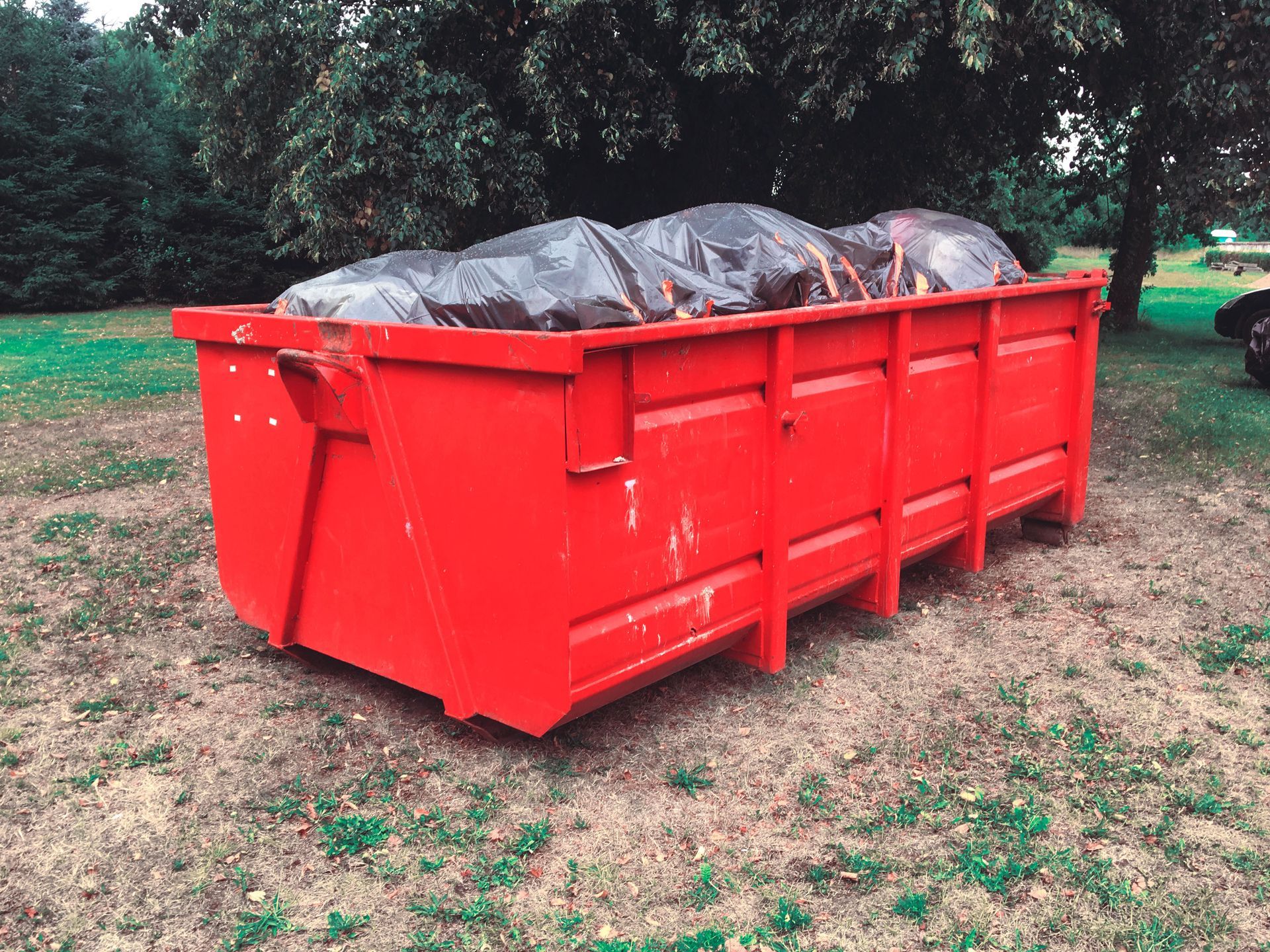
Dumpsters come in a variety of sizes, typically ranging from 10 to 40 cubic yards. The size you choose will depend on the scope of your project, with smaller dumpsters being suitable for minor home clean-outs and larger ones for major renovations and constructions. Each size offers a unique capacity for managing different types of waste, so understanding each size's capabilities is crucial. It is essential to choose a size that accommodates your needs without being unnecessarily large, which could incur extra costs. Selecting the proper size ensures that your waste is handled efficiently and minimizes the chances of needing multiple trips or additional dumpsters.
Choosing the Right Size for Your Project
When selecting a dumpster, consider the nature of your project and the volume of waste expected. A 10-cubic-yard dumpster is ideal for small bathroom remodels or attic cleanouts, while larger projects, such as kitchen renovations, might require a 20-yard unit. Understanding the types of materials you’ll be discarding also plays a role; heavier debris might require more space than anticipated. It's beneficial to communicate with the rental provider about the scope of your project, as they can offer insights on which size is most appropriate. An accurate assessment avoids the inconvenience of overhauls, ensuring the rental process is smooth and economical.
Comparing Cubic Yard Capacities
Understanding cubic yard capacities can greatly aid in making an informed selection. A 15-cubic-yard dumpster can hold approximately six truckloads of waste, making it suitable for larger cleanups or small construction projects. Conversely, a 30 or 40-cubic-yard dumpster might be necessary for significant construction or commercial projects, providing ample space for materials. Regular household cleanouts may fit well in a 10-cubic-yard dumpster, balancing capacity with cost-efficiency. Accurately estimating the amount of waste will help optimize the use of the dumpster space, ensuring you're not paying for unused capacity.
Rental Costs and Budgeting
Breakdown of Pricing Models
Understanding the pricing models used by dumpster rental companies is crucial for budgeting appropriately. Rental costs are typically determined by factors such as size, rental period, and location. Some companies charge a flat fee, while others may have variable pricing based on the weight of the waste collected. Additionally, regional operational costs and specific disposal fees for different types of waste can affect overall charges. Being aware of these variables can help you make informed decisions and seek better quotes from different rental providers.
Tips for Budget-Friendly Rentals
Staying within budget when renting a dumpster is achievable with careful planning. Compare quotes from multiple providers to ensure competitive pricing, and inquire about any additional fees that may not be immediately apparent. Consider consolidating projects to maximize the use of a single rental period. It may also be beneficial to enlist a provider that offers flexible rental terms in case your project timeline changes. Booking can sometimes result in discounted rates, so early planning is advantageous.
Hidden Fees to Watch Out For
Renting a dumpster may incur hidden fees that can inflate your budget if not carefully managed. Commonly overlooked fees include those for exceeding weight limits, extended rental periods, and specific types of material disposal. Some companies also charge extra for delivering to or picking up from certain locations due to logistical complexity. Being aware of these potential charges ahead of time allows you to plan better and avoid surprise costs. Discussing all possible charges with your provider can prevent unexpected overages and ensure a transparent rental experience.
Preparing for Dumpster Delivery
Site Selection and Clearance
Choosing an appropriate location for your dumpster is a crucial step in the rental process. The site must be level, accessible, and free of obstructions to facilitate easy delivery and pickup. Adequate space should be considered, taking into account the swing and height of the truck delivering the dumpster. Avoid areas with overhead wires, low-hanging branches, or uneven surfaces to prevent potential logistical issues. Preparing the site in advance ensures a smoother process and avoids unnecessary complications during delivery and retrieval.
Safety Measures and Precautions
Safety is of paramount importance when setting up for a dumpster rental. Make sure the area around the dumpster is secured to prevent accidents or unauthorized access, especially if the site is in a high-traffic location. If the dumpster is in proximity to public pathways, adequate signage or barriers should be installed to guide pedestrian movement safely. Additionally, periodically monitor and maintain the dumpster to prevent overflow or hazardous conditions as waste accumulates. Incorporating safety measures protects both workers and the community throughout the rental period.
Scheduling Delivery and Pick-up
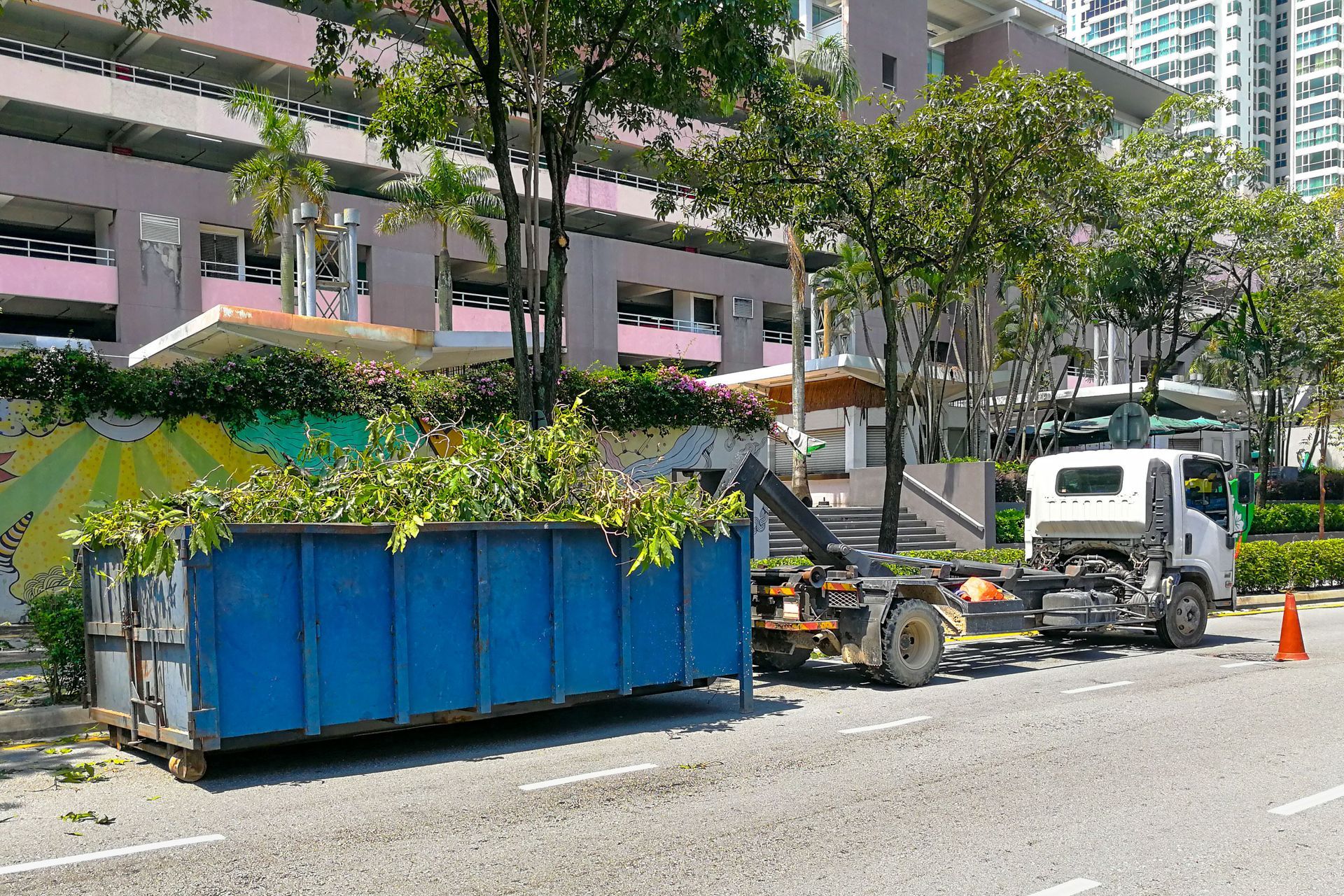
Coordinating delivery and pickup schedules effectively aligns with the project's timing and helps avoid delays. Confirm the timelines with your provider and provide any specific access instructions if your location poses logistical challenges. Clear communication is key to ensuring the provider can meet your needs within the agreed rental period. Scheduling flexibility is beneficial, especially in cases where project developments cause timeline shifts. Adhering to scheduled timelines ensures the project proceeds smoothly, without waiting for waste removal or jeopardizing area access.
Permitted Materials and Restrictions
Identifying Hazardous Waste
A crucial part of renting a dumpster is understanding what materials can and cannot be disposed of. Hazardous waste materials, such as paints, chemicals, and certain electronics, typically require special handling and cannot be placed in standard dumpsters. Mixing hazardous materials with general waste can lead to serious legal and environmental repercussions. Familiarize yourself with local laws and consult your dumpster provider for support on handling these materials responsibly. Properly identifying hazardous waste before disposal keeps your project within legal and ethical boundaries.
Recyclable vs. Non-Recyclable Items
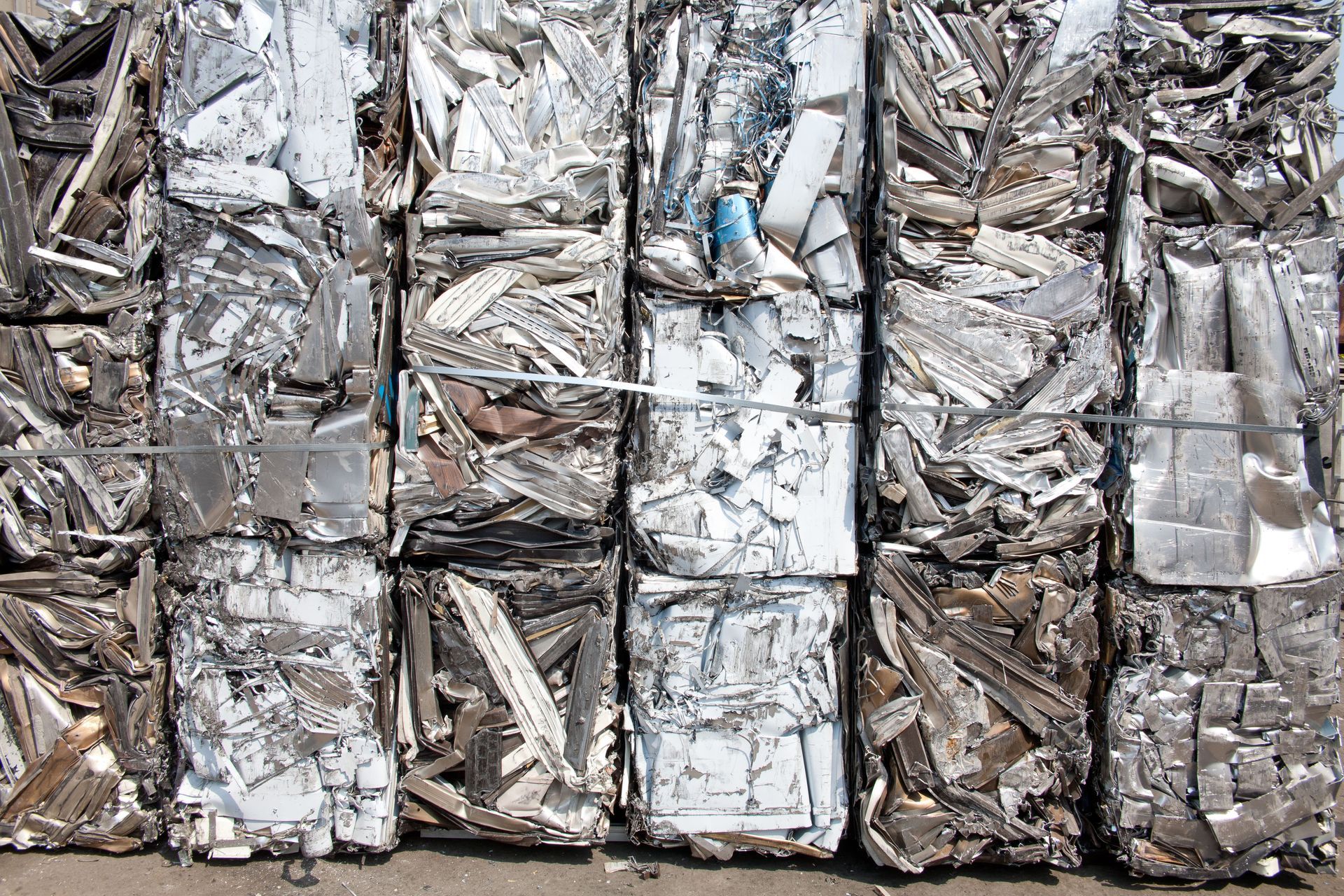
Effectively separating recyclable materials from general waste contributes to environmental conservation efforts. According to the US Environmental Protection Agency, steel cans are recycled at a rate of nearly 71%. This statistic exemplifies the potential for a significant recycling impact when sorted correctly. Dedicate portions of your waste disposal plan to identified recyclable materials like metals, paper, and certain plastics. This separation can reduce waste sent to landfills and comply with eco-friendly disposal practices. Partnering with a rental provider that supports sustainable practices ensures you responsibly contribute to waste management efforts.
Prohibited Materials in Dumpster Rentals
Understanding the materials you cannot place in a rented dumpster can prevent recurring disposal issues. Prohibited items often include asbestos, tires, and flammable materials that require specialized processing. Waste incurs excessive fines or logistics complications due to non-compliance, demanding forethought in waste evaluation. Confirm restricted materials with your rental company early in the project to find alternative disposal methods. Compliance with these restrictions safeguards against fines and contributes to safer waste processing practices.
By understanding the ins and outs of dumpster rental, from size selection to cost management and provider evaluation, you can ensure a smooth and efficient waste disposal experience. The right preparation and knowledge are key to making dumpster rental an easy process. Evaluating providers carefully and establishing effective waste management plans reinforces resourcefulness, benefiting both the project and the surrounding community. Familiarity with regulations and conscientious adherence to sustainable practices ensure lawful and ethical contributions throughout. Approaching dumpster rental knowledgeably assures favorable project conclusions, reflecting well-organized and responsible waste management practices. Contact American Metal Recycling today to schedule your roll-off container service.