July 9, 2026
Choosing the right hauling service for your project is a decision that should not be taken lightly. The service you select can significantly impact the timing, costs, and efficiency of your project. An effectively chosen hauling service can result in timely completion, budget savings, and optimal resource use. Conversely, a poor choice can lead to project delays, unexpected costs, and logistical nightmares. The decision is multifaceted and requires a thorough understanding of both your project needs and the offerings in the hauling service market.
Understanding Your Project Needs
Identifying the Scope and Scale of Your Project
Determining the scope and scale of your project involves understanding the total workload and resource requirements. Small-scale projects may require less intensive hauling services, while large-scale endeavors might benefit from more comprehensive service options. Consider the volume and frequency of materials to be moved; these factors will shape the type of service necessary. It's also essential to factor in any project-specific constraints or unique requirements. Identifying these upfront makes it easier to communicate your needs to prospective hauling service providers, resulting in smoother project execution.
Determining the Types of Materials to be Hauled
Knowing the types of materials that need hauling is critical as different materials may require specific handling and transport equipment. For instance, hazardous materials often necessitate special licenses and vehicles equipped to safely transport potentially dangerous contents. Building waste, recyclable materials, and organic waste each have different requirements and disposal methods. In addition, according to the U.S. Environmental Protection Agency, 27.8% of ferrous metals in appliances are recycled each year, showing the importance of responsible material management. A thorough understanding of the material type ensures compliance with environmental standards and optimizes handling costs.
Considering Time Constraints and Deadlines
Time constraints and deadlines are pivotal in shaping your choice of hauling service. Projects with tight deadlines necessitate a hauling service with a proven track record of promptness and reliability. Delays in hauling can cause a domino effect, impacting subsequent project phases and ultimately increasing costs. It's crucial to establish a realistic timeline early on and discuss it with prospective service providers. Carefully considering time constraints ensures that the chosen service aligns well with your scheduling needs.
Evaluating Budget Limitations
Your project budget serves as a guiding factor for assessing hauling service options. Understanding the available budget helps filter services that your project can realistically afford. It's wise to anticipate potential budget overruns and allocate contingency funds for unexpected circumstances. Expense prediction can lead to effective negotiations with service providers. Balancing cost with service quality ultimately results in the best value for your project.
Researching Available Hauling Services
Identifying Local Hauling Companies
Your research should begin with identifying local hauling companies who are familiar with regional logistics and regulations. Local providers often offer more personalized service and may have unique insights into terrain and environmental considerations in your area. Conduct online searches, consult local directories, and seek recommendations from industry peers to compile a list of potential candidates. It's important to consider the proximity as it can affect costs and service reliability. A focus on local services can ensure timely availability and response, minimizing logistical hiccups.
Reading Customer Reviews and Testimonials
Customer reviews and testimonials provide valuable insights into a hauling service provider's reliability and quality. By examining past experiences, you can gauge a company's performance on past projects of similar size and scope. Online platforms and customer feedback forums are good sources of unfiltered client opinions. Favorable reviews and strong testimonials are indicators of a reliable and competent service provider. Conversely, consistent negative feedback may be a red flag to consider another provider.
Evaluating Company Reputation and Reliability
The reputation of a hauling service company is a vital consideration during the selection process. A well-established reputation often implies consistent performance, reliability, and customer satisfaction. Conduct background checks on prospective companies and verify their track record in delivering quality service over time. Industry awards and recognition can also be markers of high-standing reputation. An impressive reputation often correlates with the ability to execute efficiently and meet project demands faithfully.
Considering Equipment and Vehicle Options
Types of Hauling Vehicles Available
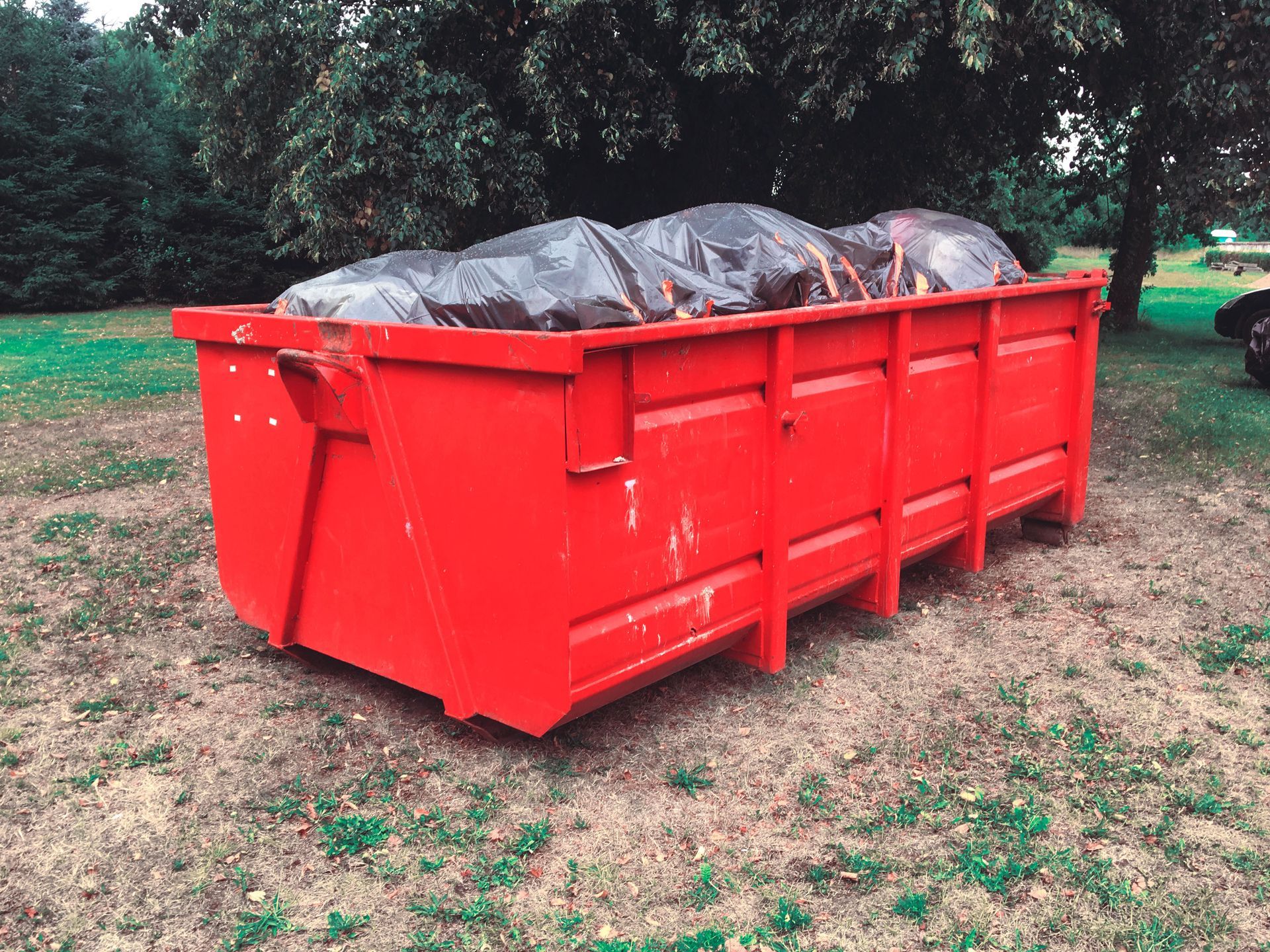
A critical factor to consider is the type of vehicles available for hauling. Different projects require specific vehicle types, such as flatbeds, dump trucks, or tankers, each designed for particular material types or operational conditions. Assess whether the company's fleet possesses the necessary diversity and capability to meet your hauling requirements effectively. Ensure that they have the capacity to handle the loads and conditions specific to your project. The right vehicle choice can improve efficiency and reduce costs associated with inappropriate handling of materials.
Matching Equipment to Project Requirements
After identifying the vehicle types available, the next task is matching them to your project requirements. Consider the load-bearing capacity and operational abilities of each vehicle relative to your material volume and weight. Advanced equipment may offer technological advantages that support efficient hauling, such as improved safety features or navigation aids. Discuss with potential providers to determine their ability to meet your precise needs using their existing fleet. This ensures that your chosen service provider can adapt to your logistics specifications perfectly.
Understanding Weight and Volume Capacities
Understanding the weight and volume capacities of hauling vehicles is essential to ensure they align with your project's demands. Different vehicles have varying load limits, and exceeding these can result in inefficiency or legal issues. For instance, some projects might require vehicles to repeatedly make trips due to weight restrictions. Additionally, oversized loads often necessitate special permits and may incur additional costs. Identifying these capacities helps in making informed decisions that optimize costs and logistical efficiencies.
Budgeting and Cost Analysis
Understanding Pricing Structures and Models
Pricing structures in the hauling industry vary and comprehending this complexity is crucial for budget planning. Costs may be calculated based on time, distance, weight, or a combination thereof. Review each provider's pricing model to evaluate which aligns best with your project's financial framework. Transparency in pricing structures prevents unexpected costs and supports accurate financial forecasting. An informed understanding of pricing models allows for prudent budget management.
Requesting Detailed Quotes and Estimates
Requesting detailed quotes and estimates from potential hauling service providers is essential for comprehensive cost comparisons. Ensure that quotes are itemized, clearly specifying what services and conditions are included. An in-depth understanding of estimates ensures you are aware of exactly what to expect regarding expenses. Don't hesitate to ask for clarifications to ensure all costs are covered, preventing future misunderstandings. Collecting multiple quotes aids in making a balanced decision backed by accurate financial data.
Considering Long-Term vs. Short-Term Rentals
Deciding between long-term and short-term hauling service rentals depends on your project's duration and material handling needs. Long-term rentals might offer cost advantages through negotiated discounts for extended use, while short-term rentals can offer flexibility and lower upfront costs. Each option comes with its financial implications and must be aligned with project timing and financial goals. Evaluate potential changes to your project timeline that could affect rental needs. A carefully considered rental strategy optimizes costs and aligns with operational dynamics.
Choosing the right hauling service rental necessitates careful consideration and strategic planning to align with your project needs. By understanding your project requirements, researching available services, evaluating equipment options, analyzing costs, and prioritizing legal and safety concerns, you can identify a hauling service that meets your project requirements. Ultimately, the process of selecting an appropriate hauling service provider involves a balance of compatibility, reliability, and cost-effectiveness, ensuring that your project is executed efficiently and successfully. If you're looking for a hauling service, contact American Metal Recycling today.