September 10, 2026
Steel represents a fundamental cornerstone of global infrastructure, industrial manufacturing, transportation networks, and modern architectural development. Known for its extraordinary tensile strength, structural durability, and infinite recyclability, this versatile alloy can undergo continuous reprocessing without forfeiting its essential mechanical properties. Unlike many organic or synthetic materials that degrade during reclamation, reclaimed steel maintains absolute structural integrity regardless of how many times it passes through processing furnaces. Reprocessing post-consumer scrap and industrial offcuts significantly reduces the environmental impact associated with traditional virgin iron ore mining, conserving vast natural resources, lowering greenhouse gas emissions, and preserving energy reserves. According to Market.us, in 2025, U.S. apparent consumption of raw steel production totaled 82 million metric tons. Managing this massive volume of material requires a highly sophisticated, closed-loop industrial reclamation ecosystem. Understanding how raw scrap transforms back into high-grade manufacturing stock clarifies the environmental and economic significance of industrial reclamation. Partnering with professional processing facilities transforms abandoned structural beams, retired vehicles, and discarded machinery into valuable manufacturing resources that power global industry while protecting fragile ecosystems. Establishing robust scrap processing pipelines ensures that valuable raw materials remain active within primary industrial supply chains rather than accumulating in municipal landfills.
Collecting and Aggregating Obsolete Industrial and Consumer Scrap
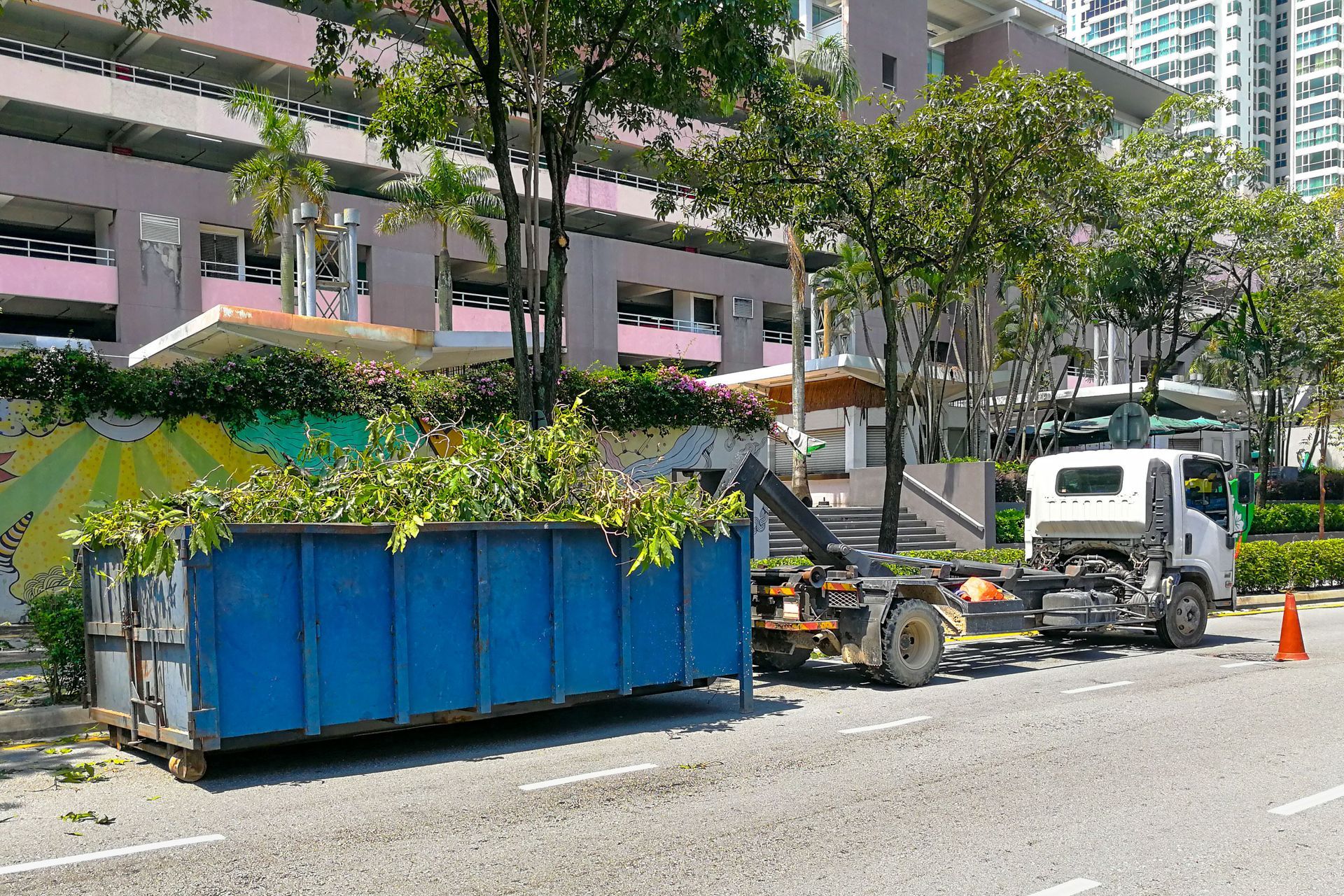
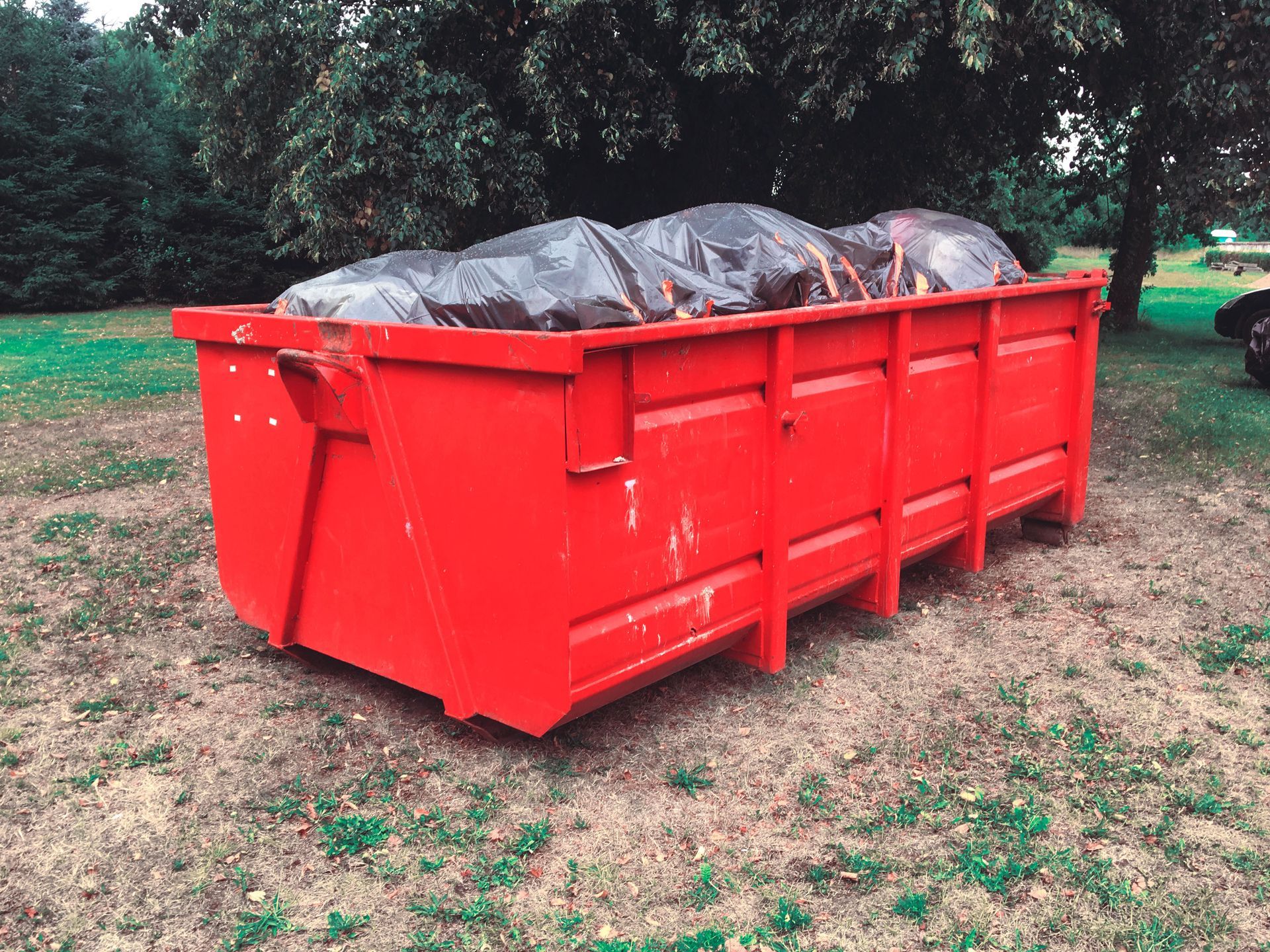
The reclamation journey begins with the systematic gathering and transportation of scrap materials from various municipal, commercial, and industrial origins. Heavy industrial demolition projects, automotive salvage yards, manufacturing plants, construction sites, and residential appliance disposal programs generate continuous streams of discarded steel. Utilizing commercial metal recycling services ensures that obsolete structural girders, discarded automotive frames, and industrial machinery components are efficiently routed away from landfills and toward specialized processing facilities. Fleet vehicles equipped with heavy hydraulic cranes, roll-off containers, and specialized loading equipment collect bulky scrap directly from job sites, consolidating loose materials at centralized collection hubs. Sorting incoming shipments by bulk density and alloy composition establishes an organized inventory stream ready for heavy mechanical processing. Efficient gathering logistics prevent valuable ferrous assets from sitting idle, transforming abandoned industrial waste into essential feedstocks for modern manufacturing operations. Streamlining collection routes reduces transportation emissions while providing industrial clients with dependable disposal options for scrap. Organized scrap consolidation preserves material purity and lays the groundwork for efficient downstream processing.
Sorting and Separating Ferrous Alloys From Foreign Contaminants
Once scrap arrives at centralized processing facilities, material streams undergo rigorous sorting to isolate pure ferrous alloys from non-ferrous metals, plastics, rubber, glass, and residual debris. Industrial processing centers rely on heavy magnetic separation systems, including overhead magnetic pulleys and drum separators, to instantly pull magnetic ferrous scrap away from non-magnetic materials. Advanced automated sorting technologies utilize optical sensors, X-ray transmission equipment, and eddy current separators to identify and remove foreign contaminants with remarkable precision. Utilizing professional metal recycling services guarantees that incoming scrap is thoroughly categorized by alloy grade, thickness, and cleanliness standards before entering processing furnaces. Manual sorting teams work alongside automated conveyor systems to remove bulky non-metallic items, hazardous components, and heavily corroded materials. Meticulous material separation protects furnace linings, prevents dangerous chemical reactions during heating, and ensures that final recycled steel meets stringent manufacturing purity standards. Specialized magnetic drums process heavy volumes of mixed material, separating valuable magnetic metals from non-magnetic debris with exceptional reliability. Continuous sorting innovations improve recovery rates and maximize reusable alloy volumes.
Shredding and Compacting Scrap for Optimal Furnace Processing
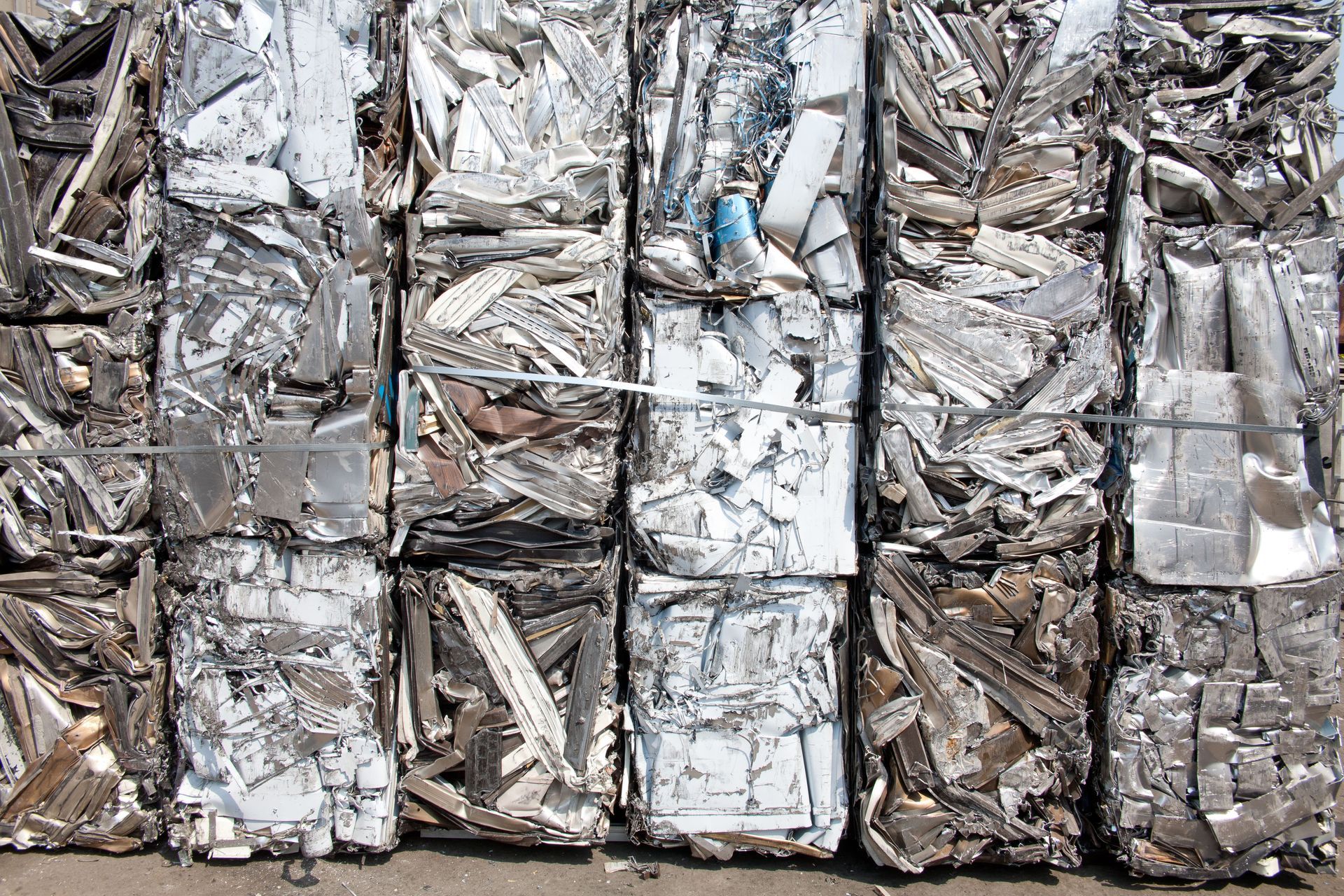
To facilitate rapid melting and efficient energy transfer within industrial furnaces, sorted scrap must undergo significant mechanical size reduction. Massive industrial hammer mills and rotary shredders reduce bulky structural beams, automobile bodies, and heavy machinery parts into uniform, fist-sized metal fragments within seconds. Shredding increases surface area exposure while breaking mechanical bonds between steel components and remaining non-metallic attachments, such as interior vehicle upholstery or wiring harnesses. Following mechanical shredding, air classification systems blow away lightweight dust, fabric, and plastic insulation fragments, leaving behind clean, high-density metallic pieces. Utilizing specialized metal recycling services allows industrial clients to route raw scrap through high-pressure hydraulic balers that compress loose metal turnings and sheet scrap into dense, easily transportable blocks. Proper shredding and compaction optimize furnace loading density, minimize melting time, and significantly reduce total energy consumption during subsequent thermal processing phases. Compacted scrap bales fit tightly inside charging buckets, maximizing solid metal volume delivered to the furnace with each loading cycle. Efficient size reduction prevents mechanical blockages during high-volume production runs.
Melting Purified Scrap in High-Efficiency Electric Arc Furnaces
Once scrap is properly sized, cleaned, and compacted, it moves into massive industrial melting vessels, primarily electric arc furnaces or traditional basic oxygen furnaces. Electric arc furnaces utilize high-power graphite electrodes to generate intense electric arcs that produce extreme thermal energy, rapidly liquefying dense metallic charges. Utilizing recycled scrap instead of virgin iron ore drastically lowers energy requirements, requiring a fraction of the power needed to extract metal from raw earth deposits. Contracting with verified metal recycling services ensures that melt shops receive properly sorted scrap mixes tailored to specific furnace operational parameters. During thermal liquefaction, chemical flux agents like lime and fluorspar are added to the molten bath to bind with trace impurities, forming a floating liquid slag layer atop the molten metal. Thermal melting transforms solid industrial waste into a pristine, glowing liquid bath ready for precise chemical refinement. Utilizing advanced electric arc technology dramatically lowers carbon emissions compared to traditional blast furnace operations reliant on coal. High-efficiency thermal melting preserves essential metallic elements while reducing industrial energy consumption.
Refining Liquid Bath Chemistry and Removing Microscopic Impurities
Achieving exact mechanical specifications for specialized applications requires rigorous chemical refinement while the steel remains in a liquid state. Metallurgy teams extract molten samples from the furnace bath to conduct real-time spectrographic analyses, measuring exact levels of carbon, manganese, silicon, phosphorus, and sulfur. Refining technicians inject oxygen gas or specialized alloying elements to adjust chemical compositions, removing undesirable trace impurities while tailoring hardness, ductility, and corrosion resistance. Utilizing advanced metal recycling services guarantees that incoming scrap streams maintain low contamination levels, simplifying the final chemical adjustment process. Floating slag containing trapped oxides and non-metallic residues is skimmed off the top of the liquid bath, leaving behind refined liquid metal. Precise metallurgical refining ensures that recycled output meets or exceeds the mechanical performance standards of virgin metal, making it suitable for critical structural, automotive, and aerospace applications. Real-time spectrographic testing ensures that every heat of molten metal meets exact structural parameters before casting begins. Precise metallurgical control guarantees that recycled products match the durability of virgin metal.
The continuous reclamation of raw steel represents a remarkable triumph of modern industrial engineering, transforming discarded structural waste into high-grade manufacturing stock through systematic collection, sorting, shredding, melting, refining, and casting. Preserving intrinsic mechanical properties through infinite reprocessing cycles minimizes environmental degradation, conserves limited natural resources, and significantly reduces industrial energy consumption. Partnering with experienced reclamation experts guarantees that valuable ferrous materials are diverted from municipal landfills and safely integrated back into global supply chains. Embracing sustainable material management supports heavy manufacturing requirements while protecting natural ecosystems for future generations.
At American Metal Recycling, our dedicated team brings deep industry expertise, advanced material processing technology, and an unwavering commitment to environmental sustainability to every reclamation project we manage, ensuring your scrap materials achieve maximum economic and environmental value. Contact us today or visit our facility to learn how our comprehensive processing solutions can streamline your industrial scrap management and support sustainable manufacturing practices.