September 9, 2026
Scrap metal recycling plays a critical role in sustainable development and environmental preservation. While people often hear about the importance of recycling plastic or paper, the recovery of metals remains just as crucial for various ecological and economic reasons. Processing scrap metal not only conserves valuable resources but also reduces pollution and overall energy consumption. Understanding these profound impacts can help communities foster more sustainable practices worldwide. By exploring the multifaceted benefits of this industry, you can clearly see how recovering materials actively shapes a healthier planet for future generations.
Reducing Energy Consumption With Efficient Processing
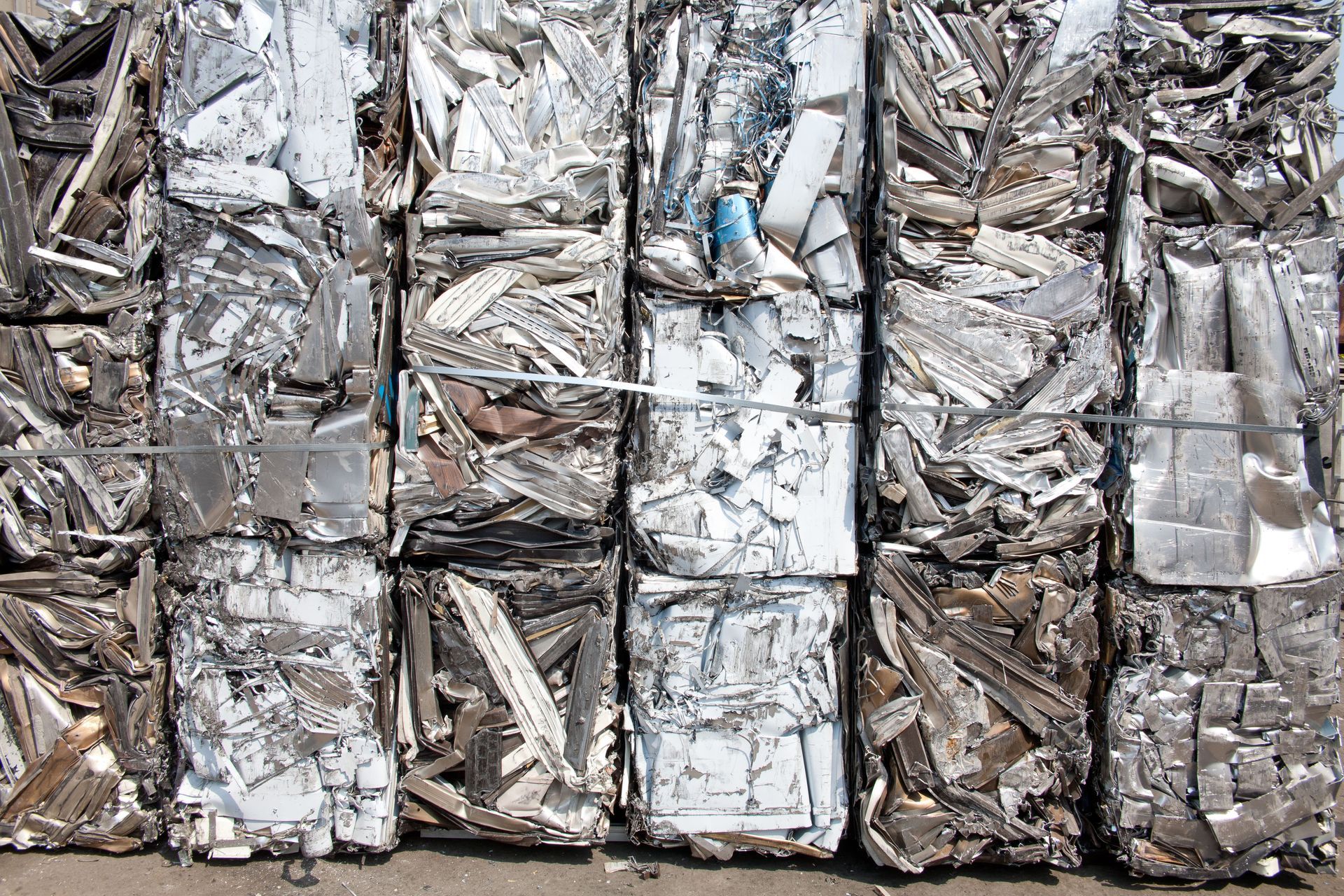
Recycling scrap metal significantly reduces energy consumption compared to traditional material production processes. Producing new metals from raw ore remains an energy-intensive endeavor that rapidly depletes natural resources. Conversely, metal recycling uses considerably less energy to achieve the exact same result. For example, recycling aluminum saves about 92% of the energy required to produce it from scratch. Similarly, recycling steel and other materials results in significant energy savings, reducing the need for burning fossil fuels.
Comparing Virgin and Recycled Material Production
The contrast between the energy use in virgin metal production and recycled processing remains stark. Virgin metal extraction involves mining, transporting raw ores, refining, and processing – all of which act as highly energy-intensive steps. In contrast, recycling involves collecting and processing existing materials, eliminating several high-energy steps associated with virgin production. Using scrap metal rather than mining new materials presents substantial energy savings across the board.
Decreasing Greenhouse Gas Emissions Safely
Processing scrap materials plays a critical role in reducing harmful greenhouse gas emissions. By reusing metals, the need for new raw material extraction and processing remains minimized. Traditional extraction typically involves burning fossil fuels that significantly contribute to carbon emissions. The metal recycling process itself generates far fewer emissions compared to extracting and processing virgin materials. For instance, recycling steel reduces carbon dioxide emissions, making a massive difference for the atmosphere.
Mitigating Global Warming With Strategic Actions
Recycling contributes to broader global warming mitigation strategies. It limits the need for mining and ore processing, both of which serve as significant sources of greenhouse gases. Incorporating recycled metals into production processes reduces these emissions, aligning with initiatives to decrease the global temperature rise. By reducing the carbon footprint associated with metal production, recycling supports international agreements. Continued emphasis on these processes could accelerate progress toward these essential mitigation targets.
Preserving Natural Habitats With Careful Planning
One of the critical benefits of metal recycling involves the preservation of natural habitats. Mining activities for virgin materials often lead to habitat destruction, deforestation, and severe soil erosion. By processing existing metals, the need for such environmentally damaging activities lessens, helping protect ecosystems and local biodiversity. Limiting the need for mining diminishes reliance on aggressive extraction, thus curbing widespread soil and water pollution. This conservation ensures that natural spaces are preserved for future generations to enjoy.
Reclaiming Resources for a Circular Economy
Scrap metal processing stands as a vital component of the circular economy, emphasizing the reclamation of used resources. In a circular economy, products and materials are reused, repaired, and recycled to extend their lifecycle and reduce waste. Processing metals exemplifies this model by reclaiming discarded items and reintroducing them into production cycles. This cycle reduces the need for new raw material extraction, conserving resources and fostering sustainability. Such practices present a compelling model for achieving resource efficiency across various industries.
Diverting Waste From Local Landfill Sites
Current landfill scenarios illustrate the urgent need for effective waste management practices. Landfills are rapidly reaching capacity, with discarded materials contributing significantly to the volume and environmental challenges faced today. Scrap items left in landfills lead to potential soil and water contamination due to chemical leaching. Redirecting these materials from landfills through efficient processing can alleviate these pressing concerns. A strong focus on metal recycling offers a practical solution to extend the lifespan of landfills and mitigate environmental pollution.
Boosting Economic Impact and Job Creation
The metal recycling industry has a substantial economic impact due to its active role in resource recovery and waste management. By generating billions of dollars in economic activity, it contributes significantly to national and global economies. Processing materials reduces costs associated with mining, refining, and manufacturing virgin goods, enhancing overall industrial efficiency. The industry also supports supply chains by providing a highly reliable source of raw materials. In doing so, it actively fosters economic resilience and sustainability.
Navigating Market Dynamics and Global Trade
The recovery of scrap materials remains intrinsically linked to market dynamics and global trade flows. As a key player in the global value chain, the industry facilitates the exchange of recycled goods across international markets. According to Market.us, the apparent consumption of iron and steel scrap within the U.S. hit 57 million metric tons in 2025. Trade policies and international agreements influence market conditions, directly affecting the flow of recovered materials worldwide. Understanding these market forces remains essential for companies engaging in this robust sector.
Revolutionizing With Breakthrough Processing Technologies
Breakthrough technologies have revolutionized metal recycling, enhancing both efficiency and sustainability. Innovations such as advanced separation systems and precision shredders have significantly improved material recovery rates. Furthermore, developments in chemical processing have opened entirely new avenues for handling complex alloys. These technologies not only optimize the operational process but also reduce the environmental impact of disposal. By staying at the forefront of innovation, the industry can continue to evolve and meet the rising demand for recovered materials.
Incorporating Sustainable Practices Into Daily Operations
Sustainable practices in daily operations contribute to a reduced environmental footprint and long-term industry viability. Incorporating eco-friendly energy sources, such as solar and wind power, into processing facilities minimizes carbon emissions. Additionally, modern water conservation technologies ensure resource efficiency throughout the entire operational process. Companies are increasingly adopting closed-loop systems where waste remains minimized, and byproducts are efficiently managed. Such sustainable practices underscore the industry’s potential to operate in perfect harmony with environmental standards.
Integrating Artificial Intelligence and Modern Automation
The integration of artificial intelligence and automation actively transforms the industry by increasing process efficiency and accuracy. AI-driven systems enable the precise sorting of goods, reducing contamination rates and improving material quality. Automated machinery enhances productivity and allows for the processing of higher volumes with reduced manual labor. These specific innovations facilitate cost-effective operations, making the entire sector much more competitive. Utilizing artificial intelligence and automation positions the industry for continued growth and smooth adaptation to future challenges.
Exploring Comprehensive Services for Every Need
Finding the right partner to handle discarded materials makes a significant difference in minimizing environmental impact. We provide a wide array of solutions tailored to fit diverse requirements. We offer residential metal recycling for homeowners looking to clear out clutter responsibly. For larger operations, we handle commercial metal recycling and industrial metal recycling to keep businesses running smoothly and sustainably. Our facility also handles appliance recycling to help keep bulky, hazardous items out of local landfills. Customers can even receive cash for metal when dropping off eligible materials at our convenient locations.
Supporting Projects With Trucking and Hauling
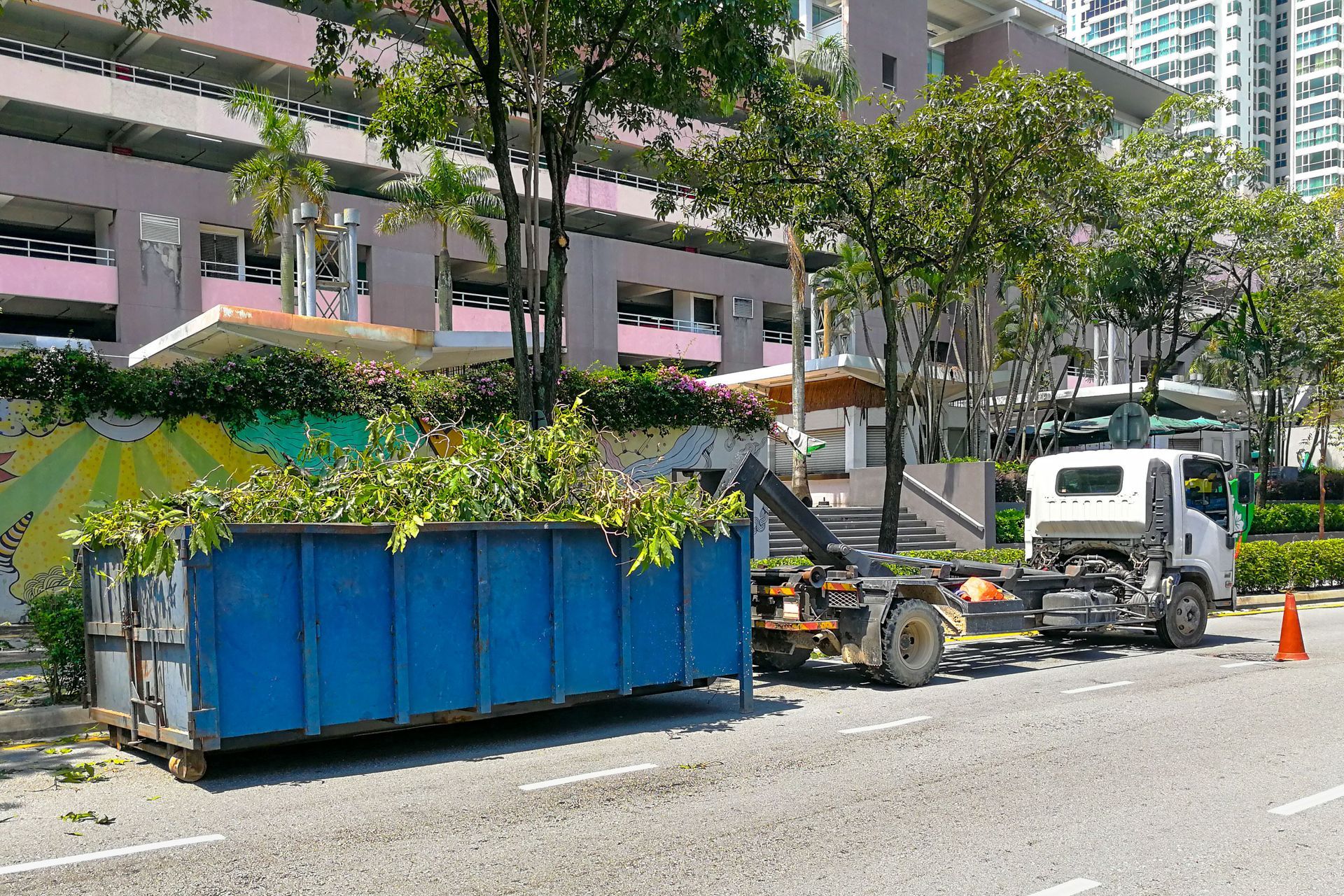
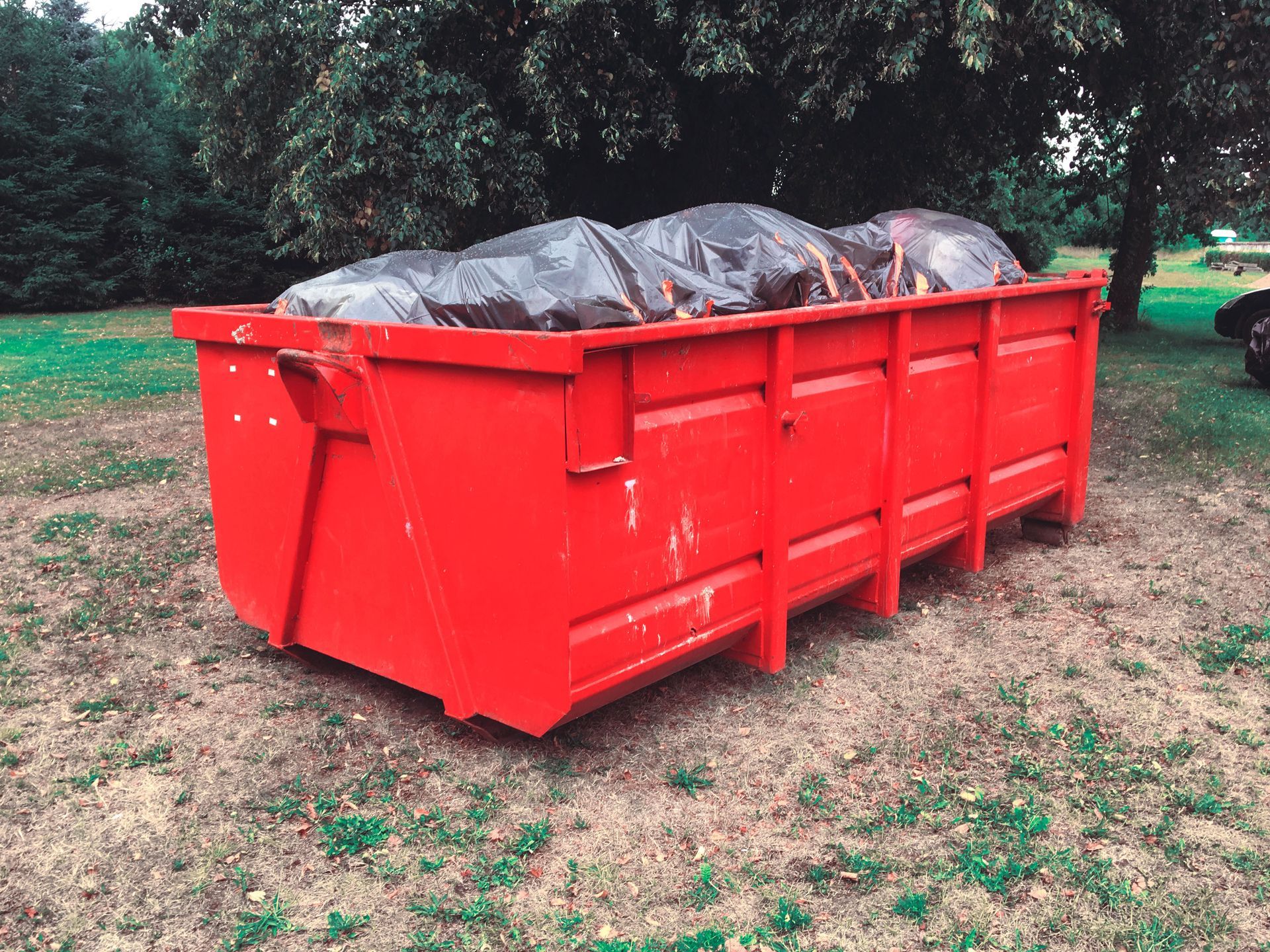
Beyond basic processing, managing the logistics of large-scale material removal requires highly reliable support. We proudly offer trucking and hauling services to make the transportation of heavy scrap completely hassle-free. For construction or renovation sites, our demolition services ensure that structures are taken down safely and all recoverable materials are properly sorted. We also provide dumpster rental services for ongoing projects that need a convenient, on-site container for accumulating scrap. Through our dedicated community involvement, we strive to educate and support local neighborhoods in their sustainability efforts.
Understanding why scrap metal recycling matters remains crucial for fostering a sustainable environment. The environmental, economic, and technological benefits clearly highlight the importance of promoting and investing in these essential initiatives. From reducing overall energy consumption and lowering greenhouse gas emissions to conserving precious natural resources, the advantages are remarkably extensive. Continued innovation and collaborative efforts will only enhance industry capabilities and positive impacts over time. If you are ready to make a tangible difference in your community, reach out to American Metal Recycling today to turn your scrap into a sustainable resource for the future.